

CNC vs Traditional Woodworking: Which One Is Right for You?
Woodworking has evolved dramatically over the years. While traditional hand tools and classic techniques still hold a special place in workshops, CNC (Computer Numerical Control) machines have opened the door to precision, repeatability, and complex designs that were once difficult—or impossible—to achieve by hand.
So which approach is right for you? The answer depends on how you like to work, what you want to build, and how far you want to take your projects. Let’s break it down in a practical, no-nonsense way.
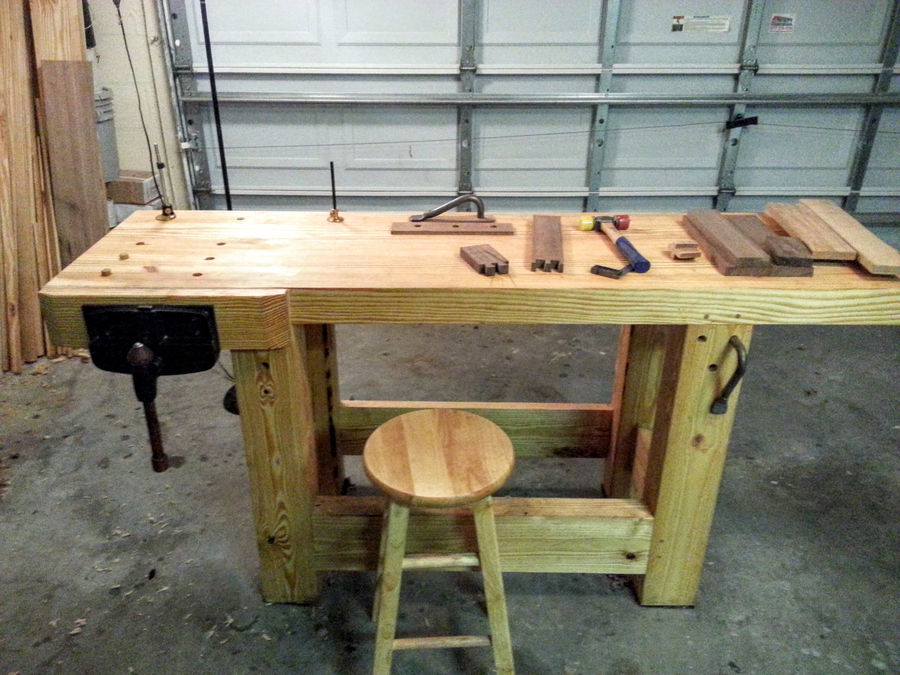
What Is Traditional Woodworking?
Traditional woodworking relies on manual tools and hands-on techniques. Think table saws, chisels, routers, drills, clamps, and a lot of measuring, marking, and fitting by hand.
Why people love it
-
Strong connection to the material
-
Skill-based and satisfying
-
Minimal technology required
-
Perfect for one-off or custom builds
Traditional woodworking shines when craftsmanship, flexibility, and personal touch matter most.

What Is CNC Woodworking?
CNC woodworking uses digital design files (DXF, SVG, etc.) to control a machine that cuts, drills, and shapes wood with extreme accuracy. Once the design is ready, the machine does the heavy lifting.
Why CNC is so popular
-
High precision and repeatability
-
Ideal for parametric and modular designs
-
Saves time on complex cuts
-
Great for batches or repeat builds
CNC doesn’t replace creativity—it shifts it into the design and planning phase.

Skill vs Software: What Do You Enjoy More?
One of the biggest differences isn’t the tools—it’s the mindset.
Traditional woodworking favors:
-
Hands-on problem solving
-
Adjusting on the fly
-
Learning joinery, grain direction, and tool control
CNC woodworking favors:
-
Designing and planning ahead
-
Working with CAD software
-
Dialing in settings and tolerances
If you enjoy sketching ideas digitally and refining designs before cutting, CNC will feel natural. If you enjoy working directly with wood and tools, traditional methods may suit you better.

Accuracy, Speed, and Repeatability
Let’s be honest—this is where CNC really stands out.
-
CNC: Cuts are identical every time, joints fit perfectly, and complex shapes are effortless once designed.
-
Traditional: Accuracy depends on skill and experience. Slower, but more flexible for changes during the build.
If you’re building modular furniture, parametric designs, or repeatable projects, CNC has a clear advantage.

Cost and Space Considerations
Traditional woodworking
-
Lower entry cost
-
Tools can be collected over time
-
Works well in small or shared spaces
CNC woodworking
-
Higher upfront investment
-
Requires dedicated space and dust control
-
Software learning curve
That said, many makers start traditional and add CNC later as their workshop grows.
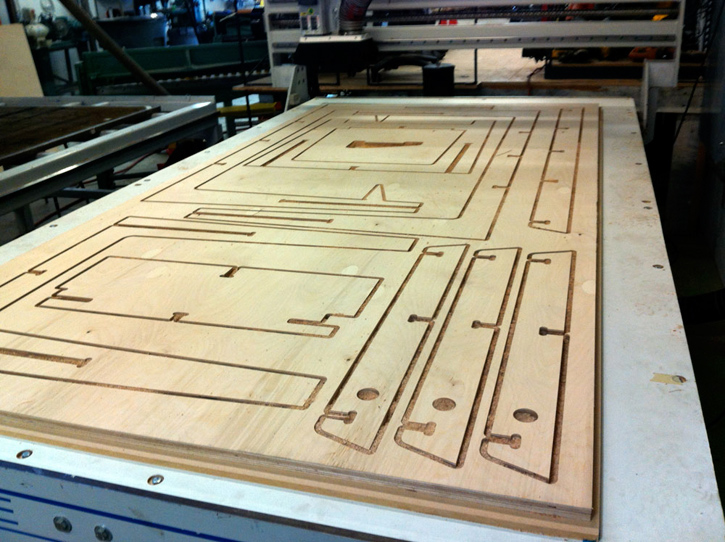
Material Use and Efficiency
CNC projects are usually designed to optimize sheet goods, especially plywood and MDF. Parts are nested to reduce waste and improve consistency.
Traditional woodworking offers more freedom with solid wood and irregular materials, but often produces more offcuts.
Can You Combine Both? Absolutely.
Many modern workshops use both methods together:
-
CNC for cutting complex or repetitive parts
-
Traditional tools for assembly, sanding, fitting, and finishing
This hybrid approach gives you the best of both worlds: precision where it matters and craftsmanship where it counts.
So… Which One Is Right for You?
Choose traditional woodworking if:
-
You enjoy hands-on craftsmanship
-
You build one-off or custom pieces
-
You value flexibility during the build
Choose CNC woodworking if:
-
You like digital design and planning
-
You build modular or repeatable projects
-
You want speed, precision, and consistency
And if you’re unsure? Start traditional. CNC can always come later.
Final Thoughts
CNC and traditional woodworking aren’t competitors—they’re tools for different ways of thinking. The best choice is the one that keeps you building, learning, and enjoying time in your workshop.
Whether you cut by hand or by code, the real goal is the same:
turning raw wood into something useful, beautiful, and personal.


Leave a Reply